.png)
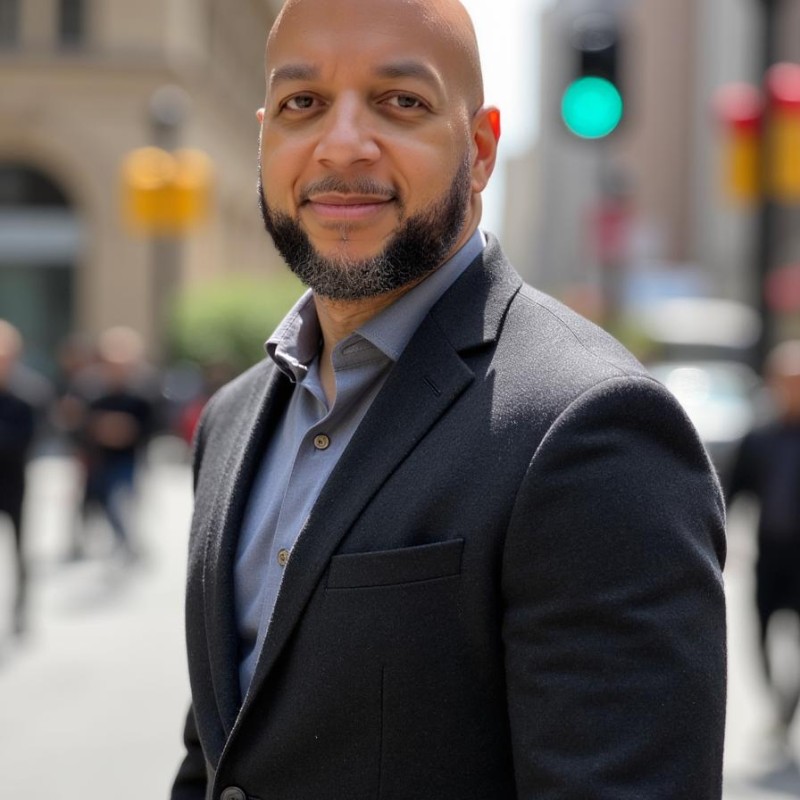
1. BestFarewell was inspired by your family’s experience following your grandfather’s passing. How did that experience shape the company’s mission?
My grandfather was a quiet man of means. Generous, steady, and private about his finances, which meant that when he passed, almost everything he knew lived only in his head. My family spent years piecing it back together. We looked for some things that were never found, and we made decisions during grief that should have been made long before it. That experience is the whole reason BestFarewell exists. Our mission is simple: no family should have to scramble during the hardest moment of their life. We build for the time before the crisis, not during it, so the people you love inherit clarity instead of a scavenger hunt. That's the gap I couldn't stop thinking about.
2. You have an extensive background in software engineering. How has that experience influenced the way BestFarewell supports families, and what role can technology play in making estate planning more accessible?
I spent fifteen years building software at companies like Caesars and HubSpot before this, and engineering trains you to find friction and design it out. Estate planning is full of friction. It's expensive, full of jargon, and built around paper and one-time legal visits that most families never get around to, and technology changes that. It can turn a scattered, intimidating task into a guided process people actually finish, in plain language, on their phone, in the language they speak at home. That's what makes it accessible. Preparation shouldn't be a privilege reserved for families who can afford an attorney on retainer. Good software lets us hand that same clarity to everyone, and keep it current as life changes.
3. BestFarewell sits at the intersection of AI, family wellness, and financial preparedness. How do these three areas come together to help families plan for the future with greater clarity and confidence?
They sound like three different things, but for a family they're one moment. Loss hits your heart, your household, and your bank account at the same time. AI helps make preparation possible for all families. It helps you write the hard things, organize what's scattered, and understand what to do next, so nobody stares at a blank page during the worst week of their life. Family wellness is the emotional weight, and being prepared lowers the panic and the conflict that grief tends to bring. Financial preparedness is the practical side: the accounts and the costs that decide whether loss also becomes a money crisis. Put together, a family walks in already organized, aligned, and covered. That's where confidence and familiy readiness comes from.
4. What about LIVE’s mission resonated most with you, and why did you decide to get involved?
What pulled me in was how clearly LIVE names the problem. We build modern tools for families, but the laws around estate planning still assume ball point pens, paper files, and a room full of witnesses. You can build a beautiful tool, and a family can still get stuck because the rules haven't caught up. LIVE is working on the layer beneath the product, the part most people never think about until it's in their way. I got involved because I've lived the cost of the old system. My family paid for it in years, not dollars. Modernizing these laws is how preparation stops being a privilege and starts being something every family can actually reach. All of the members of LIVE will be able to help more families with the changes we are pushing for.
5. If you had five minutes with policymakers to explain why estate planning matters to everyday families, what would you want them to understand?
I'd want them to understand that estate planning isn't a wealthy person's concern, it's a working family's concern. More than half of American adults have no will or plan, and when there's nothing in place, the cost doesn't disappear. It lands on the family: in probate, in frozen accounts, in months of delay, and often in conflict between people who are already grieving. The households hurt most are the ones with the least room to absorb it. And too often the law itself is the obstacle, still built around paper, notaries, and in-person steps that don't fit how families live. Make preparation accessible and let it be done securely online, and you protect millions of ordinary families from a crisis we already know is coming.